
You are thinking about preparing a delicious meal with hake, but the doubt remains: does hake have bones? This is a common and very relevant question, especially for those looking for practicality and safety when consuming fish. The concern about bones is frequent, both for beginner cooks and more experienced ones, and can directly influence the choice and the way the fish is prepared. After all, no one wants an unpleasant experience at the table because of unexpected bones.
Hake, a white fish highly appreciated in various culinary cultures around the world, is known for its mild flavor, delicate texture, and versatility. It is a relatively accessible and nutritious fish, making it a popular choice for daily meals and special occasions. However, the question about hake bones often lingers, causing doubts and even fears among some consumers. Is it true that hake has many bones? Is it safe to eat hake fillet without worrying about bones?
In this comprehensive guide, we will unveil all the mysteries about hake bones. We will address everything from the anatomy of the whole fish, identifying where the bones are located, to the issue of hake fillets, investigating if they really come boneless and what to do if you find any. Furthermore, we will share valuable tips on how to safely and tasty prepare hake, minimizing any risk of encountering unwanted bones. Get ready to become a hake expert and enjoy this wonderful fish without worries!
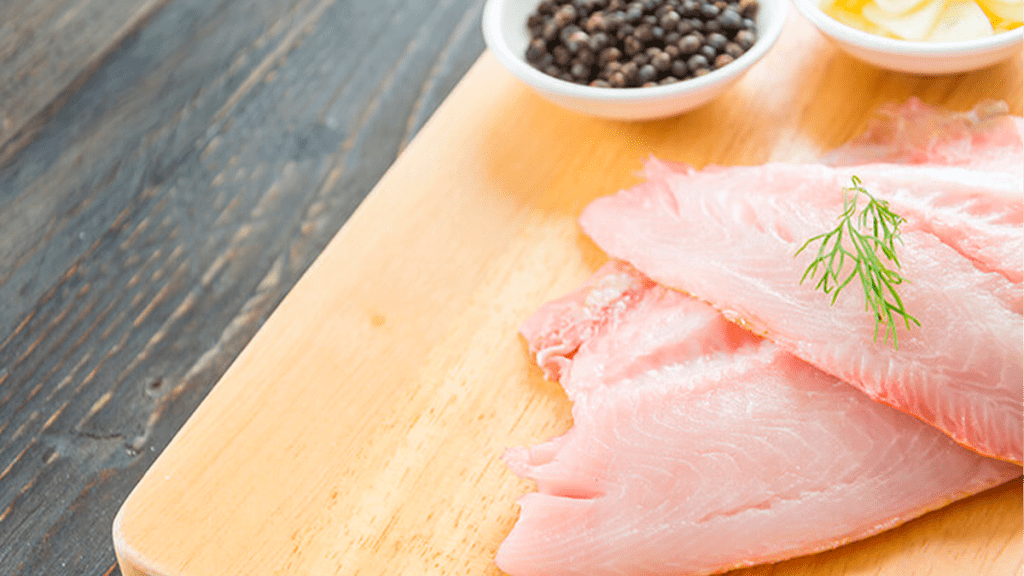
Whole Hake: Unveiling the Bone Structure and Bones
To better understand whether does hake have boneshake has bones
it is essential to know a little about the anatomy of the whole fish and its bone structure. Like all fish, hake has an internal skeleton made up of bones and spines that support the body and protect its internal organs. In the case of hake, the good news is that it is not considered an excessively bony fish compared to other species.
General Characteristics of Hake Bones
- In general, hake has a firmer and more organized meat structure, which makes the identification and removal of bones easier. Most of the bones in hake are relatively large and well defined, mainly concentrated in some specific areas of the fish. This characteristic makes the preparation and consumption process safer and more enjoyable compared to smaller or bonier fish. Dorsal Spine:
- Like other fish, hake has a main dorsal spine that runs along the entire back of the fish, from head to tail. From this central spine, smaller ones branch out towards the sides of the body. Fin Bones:
- Near the dorsal, pectoral, and ventral fins, bones can also be found. These bones support the fins and may be finer and more delicate, requiring a bit more attention when removing them. Intermuscular (Smaller) Bones:
Although hake is not known for having many small intramuscular bones, it is possible to find some finer bones, especially around the central spine and near the fins. These smaller bones are less frequent, but visual inspection and careful touch are important to identify them.
How to Deal with Bones When Preparing Whole Hake
- If you choose to buy and prepare whole hake, the process of bone removal is relatively simple and can be done at home with some basic techniques. Removing the bones before cooking ensures a smoother and safer experience when enjoying the fish. Visual and Tactile Inspection:
- Before starting the preparation, carefully examine the whole hake both visually and by touch. Gently run your fingers over the surface of the fish, seeking to identify any protruding bones. Use Fish Tweezers:
- The most effective tool for removing fish bones is a pair of fish tweezers designed for this purpose. These tweezers have flat, gripping tips that make it easier to grasp and pull out bones. Remove the Larger Bones First:
- Start by removing the larger and more visible bones, such as those from the dorsal spine and fins. Pull the bones with the tweezers in the direction they lie, usually from head to tail. Pay Attention to Smaller Bones:
- After removing the larger bones, check the fish meat again for smaller bones or bone fragments. Carefully run your fingers over it and use tweezers to remove any remaining bones you find. Filleting (Optional):
If you wish, after removing the larger bones, you can cut the hake into fillets. This technique makes it even easier to inspect and remove any small bones that might remain.
Hake Fillet: The Promise of Bone-Free Convenience – Is It True? Hake fillet is widely appreciated for the practicality and convenience it offers, especially for those seeking a quick and easy meal option every day. One of the main advantages of hake fillet, and a big draw for many consumers, is the promise of being a “boneless” cut. But is this promise always fulfilled??
Do hake fillets have bones
The Filleting and Bone Removal Process
Generally, the hake fillets available in the market go through a careful filleting process performed by professionals in fish markets and seafood processing plants. During this process, the fish is deboned and the main bones are removed. The goal is to offer the consumer a product ready for preparation, with as few bones as possible.
- Head and Guts Removal: Initially, the head and guts of the fish are removed, preparing it for fillet cutting.
- Fillet Cutting: With a sharp knife and precise technique, the professional separates the fillets from the central dorsal spine, cutting along the fish’s body.
- Removal of the Dorsal Spine and Large Bones: The central dorsal spine is removed together with the larger lateral bones, aiming to leave the fillet as clean as possible.
- Manual Inspection and Refinement: After filleting, the fillets undergo a visual inspection and, in many cases, manual refinement. At this stage, trained professionals check for any residual bones and remove them with tweezers or small knives.
Is It Possible to Find Bones in Hake Fillets? The Reality
Despite all the care in the filleting and bone removal process, it’s important to keep in mind that, in practice, guaranteeing a completely “boneless” hake fillet is challenging. Especially very thin and small bones can occasionally escape inspection and remain in the fillet. Therefore, the most accurate answer to the question “do hake fillets have bones?” is: generally no, or very few, but the possibility of finding some residual bone exists.
Why does this happen?
- Thin and Transparent Bones: Some hake bones are naturally very thin and almost transparent, which makes visual identification difficult, especially in large volume production.
- Fast Industrial Process: In large industries, filleting and inspection need to be done quickly to meet demand. In faster processes, thorough bone removal may be slightly compromised.
- Bone Fragments: Even with careful removal, small bone fragments can break and remain embedded in the fish meat.
What to Do If You Find Bones in Hake Fillets: Safety Tips
Finding one or another bone in a hake fillet is not a reason to panic, nor does it mean the product is of poor quality. It is just an occasional occurrence and easy to resolve. The important thing is to know how to proceed to ensure a safe meal without unpleasant surprises.
- Visual Inspection Before Preparation: As with whole fish, before seasoning and cooking the hake fillet, do a quick visual and tactile inspection. Lightly run your fingers over the fillet surface and check for any protruding bones.
- Use Tweezers to Remove Residual Bones: If you find any bone, even a small one, use fish tweezers to gently remove it. Pull the bone in the direction it lies.
- Be Careful When Serving, Especially for Children: When serving hake fillet, especially to children or more sensitive people, advise them to be extra cautious when chewing and to notify if they feel anything unusual.
- In Case of Choking, Seek Medical Help: Although rare, in cases of choking on a fish bone, seek medical help immediately. Generally, saliva or a piece of bread can help push the bone into the stomach, but medical evaluation is important to rule out complications.
Hake Fillet: More Than Convenience, A Healthy and Tasty Choice
Despite the small possibility of finding residual bones, hake fillet remains an excellent choice for those seeking practicality, flavor, and health in their diet. The advantages of choosing hake fillet are numerous and far outweigh the inconvenience of occasionally having to remove a bone.
Benefits of Hake Fillet
- Practicality and Quick Preparation: Hake fillets come ready to use, eliminating the work of cleaning and filleting the whole fish. This saves valuable time in the kitchen, ideal for busy daily life.
- Culinary Versatility: Hake fillet is extremely versatile and adapts to many preparation methods: baked, grilled, fried, boiled, stewed, breaded, etc. It allows for creating countless tasty and nutritious recipes.
- Mild and Delicate Flavor: Hake has a mild and subtle flavor, which pleases various palates, including children’s. This characteristic also makes it ideal for absorbing seasonings and sauces, resulting in personalized and flavorful dishes.
- Firm and Pleasant Texture: The flesh of hake fillet is firm yet tender and flakes delicately when cooked. This texture is much appreciated and contributes to a pleasurable gastronomic experience.
- Source of Essential Nutrients: Hake is an excellent source of lean protein with high biological value, essential for building and maintaining body tissues. It is rich in B-complex vitamins, vitamin D, and minerals such as phosphorus, potassium, and selenium, important for various bodily functions.
- Low Fat and Calorie Content: Hake is a white fish with low fat and calorie content, making it a light and healthy option for those seeking to maintain a balanced diet or control their weight.
- Accessibility and Cost-Effectiveness: Compared to other premium fish and seafood, hake generally has a more affordable price, making it a viable option to include fish regularly in the diet without compromising the budget.
Delicious and Safe Baked Hake Fillet Recipe: Flavor and Health on Your Table
To conclude this comprehensive guide about hake and bones, nothing better than sharing a delicious and safe recipe for you to prepare at home and enjoy all the benefits of this amazing fish. The suggestion is an oven-baked hake fillet, a simple, quick, healthy, and very tasty option.
Lemon and Fine Herbs Baked Hake Fillet
Ingredients:
- 4 hake fillets
- Juice of 1 large Sicilian lemon
- 2 tablespoons extra virgin olive oil
- 2 cloves garlic, chopped
- 1 tablespoon fresh fine herbs, chopped (parsley, chives, basil, thyme, rosemary – use your preferred ones)
- Salt and freshly ground black pepper to taste
- Sicilian lemon slices for garnish
- Sliced black olives for garnish (optional)
Preparation Method:
- Preheat the Oven: Preheat the oven to 200°C (400°F).
- Prepare the Fillets: Pat the hake fillets dry with paper towels. Then place them in a lightly oiled baking dish or tray.
- Season the Fillets: In a small bowl, mix the Sicilian lemon juice, extra virgin olive oil, chopped garlic, chopped fine herbs, salt, and black pepper to taste. Stir well to combine the flavors.
- Marinate and Drizzle the Fillets: Pour the marinade over the hake fillets, ensuring all sides are well coated. Drizzle the fillets with a little more olive oil if desired.
- Bake in the Oven: Put the baking dish in the preheated oven and bake for about 15-20 minutes, or until the fish is cooked, opaque, and flakes easily with a fork. Timing may vary depending on the thickness of the fillets.
- Finish and Serve: Remove the baking dish from the oven. Garnish the fillets with Sicilian lemon slices and sliced black olives (if using). Serve immediately, accompanied by white rice, cooked vegetables, mashed potatoes, or green salad.
Additional Tips for the Recipe:
- Add Roasted Vegetables: For a complete one-pan meal, you can add vegetables such as potatoes, carrots, zucchini, peppers, or broccoli cut into pieces around the hake fillets. The vegetables roast along with the fish, absorbing the marinade’s flavors.
- Vary the Herbs and Seasonings: Try substituting the fine herbs with other herb and spice combinations of your choice. Sweet or hot paprika, saffron, grated ginger, or Sicilian orange zest can give a special touch to the dish.
- Serve with Flavorful Sauces: To accompany the baked hake fillet, prepare delicious sauces like aioli, homemade tartar sauce, yogurt and mint sauce, or a simple caper sauce with butter and lemon.
Conclusion: Hake With or Without Bones, A Delight Always Present on the Brazilian Table
In summary, answering the initial question: does hake have bones? Yes, like all fish, hake has bones, but in relatively smaller quantity and size compared to other species. In the case of hake fillets, the vast majority are sold with the main bones removed, offering convenience and safety to the consumer. Although residual bones are rare, visual inspection and care when eating are always recommended, especially for children and more sensitive individuals.
Hake fillet, on the other hand, remains an excellent choice for healthy, tasty, and convenient eating. With its versatility, mild flavor, pleasant texture, and nutritional richness, hake has earned a special place on the Brazilian table, present in various dishes and occasions. We hope this complete guide has clarified all your doubts about hake bones and encouraged you to enjoy this wonderful fish without fears!
Now that you are equipped with valuable information and tips, how about trying the baked hake fillet recipe we shared? Or perhaps venturing into other creative and tasty preparations? Share your experience with us in the comments and tell us your favorite way to prepare hake! Bon appétit and see you next time!
Image Source: tendaatacado